


Synthetic narcotics (or synthetic opioids) are fully man-made substances created in laboratories to mimic the pain-relieving effects of natural opiates. Unlike natural opiates such as morphine or codeine that come directly from the opium poppy, synthetic opioids are chemically produced without using natural opium compounds as their base. These drugs are designed to bind to opioid receptors in the brain and nervous system, blocking pain signals while often producing feelings of relaxation and euphoria.
Synthetic opioids are widely used in medicine for severe pain management, anesthesia, and chronic pain treatment. However, many are extremely potent and carry a very high risk of addiction, overdose, and respiratory depression. Some synthetic opioids can be dozens or even hundreds of times stronger than morphine. Because of their potency and rapid effects on the brain, synthetic narcotics have become a major contributor to the opioid epidemic.
Examples that may sound familiar consist of...
Fentanyl (Sublimaze)
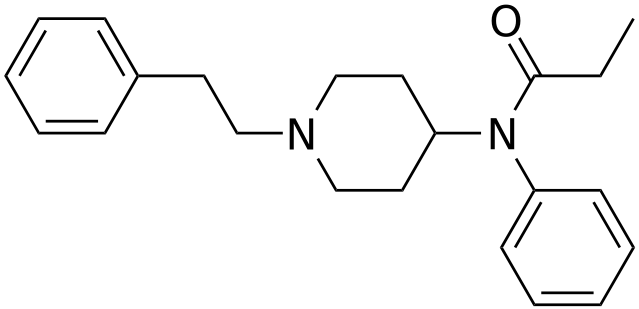
Fentanyl is a fully synthetic opioid that is approximately 50–100 times stronger than morphine. It is commonly used in hospitals to treat severe pain, especially after surgery or for advanced cancer patients. Fentanyl works very quickly and is available in forms such as injections, patches, and lozenges.
Although medically useful, fentanyl is extremely dangerous when misused because even tiny amounts can cause overdose and respiratory failure. Illegally manufactured fentanyl is often mixed into other drugs, making it one of the leading causes of opioid overdose deaths worldwide.
Methadone (Dolophine)

Methadone is a long-acting synthetic opioid used both for pain relief and for treating opioid addiction. Unlike short-acting opioids, methadone remains in the body for long periods of time, helping reduce withdrawal symptoms and cravings in patients recovering from opioid dependence.
Methadone binds to opioid receptors slowly, which helps prevent the intense “high” associated with many other opioids. Despite its medical benefits, methadone can still be addictive and dangerous if taken improperly or combined with other depressants.
Tramadol (Ultram)
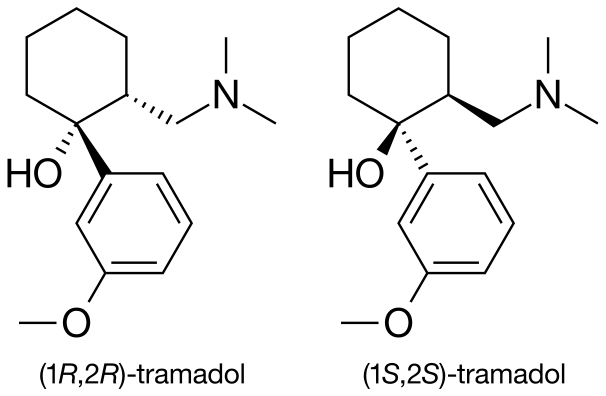
Tramadol is a synthetic opioid prescribed to treat moderate pain. It works by binding to opioid receptors while also affecting serotonin and norepinephrine levels in the brain. Because of this dual action, tramadol has both pain-relieving and mood-altering effects.
Although it is considered weaker than many opioids, tramadol still has the potential for addiction, misuse, seizures, and withdrawal symptoms. Long-term use can lead to physical dependence and tolerance.
Meperidine (Demerol)
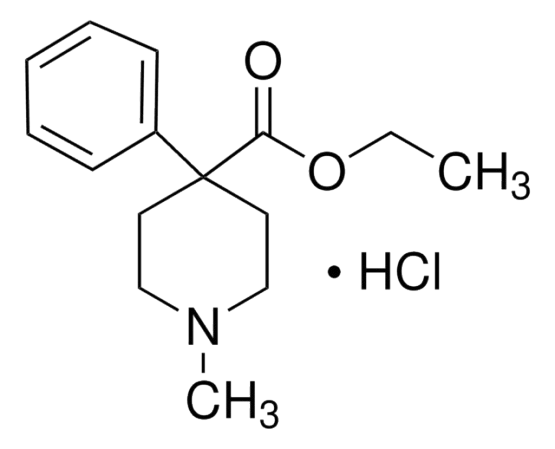
Meperidine is a synthetic opioid that was historically used to treat moderate to severe pain. It acts quickly on the central nervous system to reduce pain sensations. Meperidine was once commonly prescribed after surgeries and during childbirth.
Today, it is used less frequently because its toxic byproducts can build up in the body and cause serious side effects such as seizures and nervous system complications. Like other opioids, meperidine also carries a risk of addiction and overdose.
Carfentanil
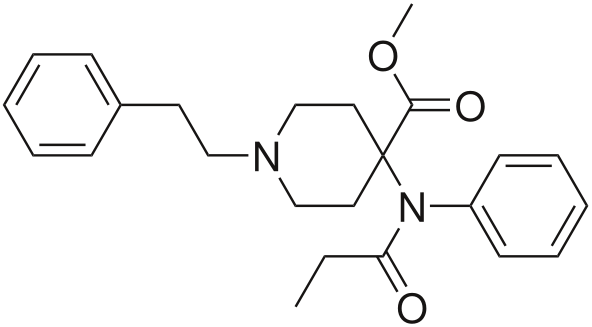
Carfentanil is an extremely powerful synthetic opioid originally developed as a tranquilizer for large animals such as elephants. It is estimated to be about 10,000 times stronger than morphine and around 100 times stronger than fentanyl.
Carfentanil is not approved for human medical use because of its extreme potency. Even microscopic amounts can be deadly. It has been linked to numerous fatal overdoses when illegally mixed into street drugs without the user’s knowledge.
Centers for Disease Control and Prevention (CDC) – Fentanyl Facts — Explains what fentanyl is, its potency compared to heroin and morphine, and overdose risks.
CDC – Understanding the Opioid Overdose Epidemic — Provides national statistics and information about synthetic opioid overdose trends.
Drug Enforcement Administration (DEA) – Facts About Fentanyl — Details fentanyl’s medical uses, potency, and dangers associated with misuse.
National Institute on Drug Abuse (NIDA) – Fentanyl — Explains how fentanyl affects the brain and why synthetic opioids are highly dangerous.
NIH MedlinePlus Magazine – Fentanyl 101 — Discusses prescription fentanyl, illegally manufactured fentanyl, and overdose concerns.
DEA – Carfentanil: A Synthetic Opioid Unlike Any Other — Information about carfentanil potency and risks.
Substance Abuse and Mental Health Services Administration (SAMHSA) – National Helpline — National resource for treatment referrals and substance abuse support.